Rather than chasing trends or generic best practices, our research team identifies the 5% of AEO strategies that consistently drive measurable impact, grounded in evidence, not assumptions.
The Team
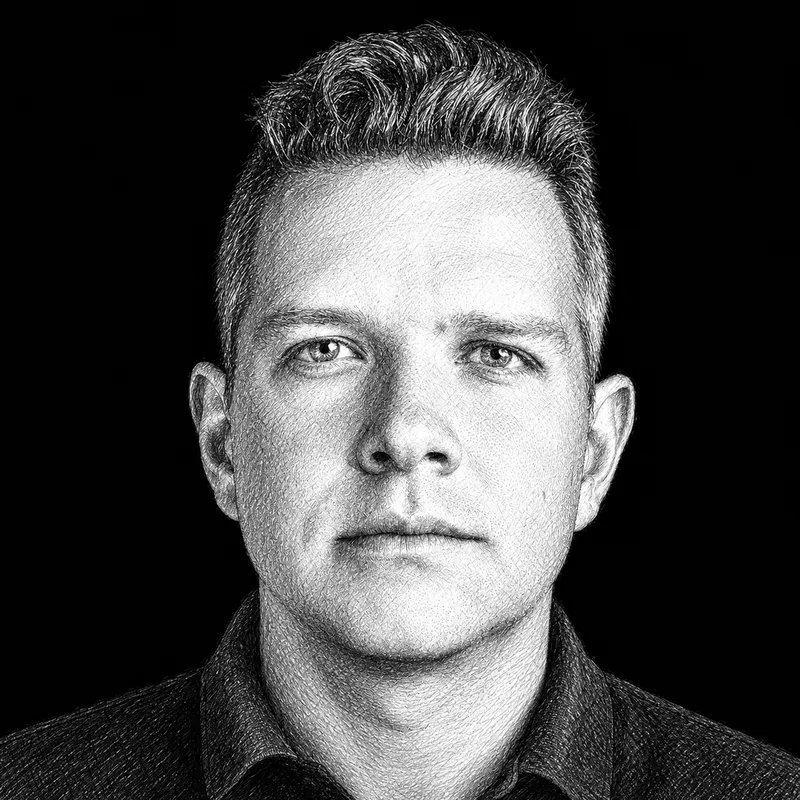 Gregory Druck, PhDChief AI Officer
 Jose Luis Paredes, PhDSenior Data Specialist
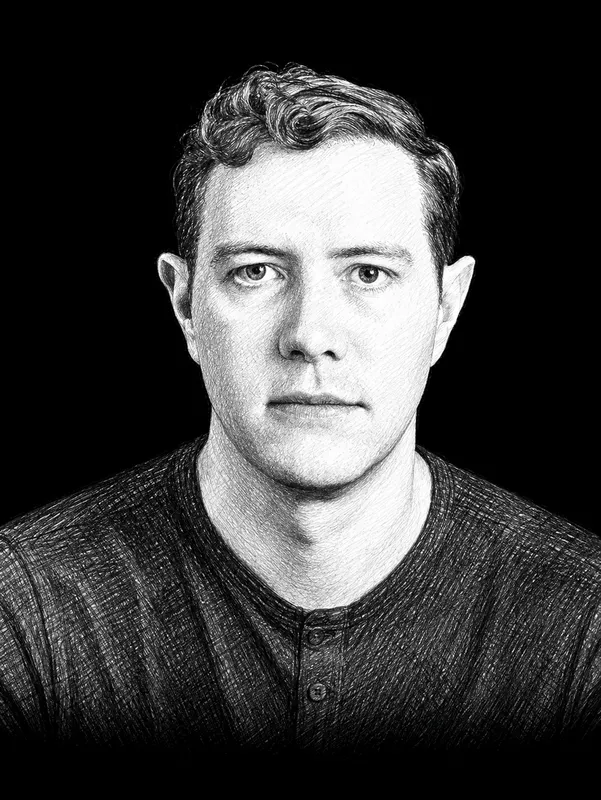 Ethan SmithCEO
- RESEARCHAPR 15, 2025
Great SEO is Free AEO, Offsite Is The Difference
- // 02
Most Offsite Work Is a Black Hole
- // 03
Citations Are Highly Fragmented
- // 04
Much of AI Visibility Is Onsite
- // 05
Branded Visibility Matters
- // 06
AI Sentiment Analysis
AEO Research
Great SEO is free AEO. Offsite is the real difference.
Most offsite work is a black hole: Reddit posts, video sponsorships, affiliate pitches with no clear read on what drives citations. Citations are fragmented across dozens of sources, so coverage matters more than any single win.
Much of AI visibility is still onsite. Branded visibility matters too. And measurement means real clicks and conversions, not just mentions.
We Are A Full-Service Team
- // 01
Prompt Research
We identify the prompts your buyers ask LLMs by analyzing the data sources most relevant to you, including sales calls, Reddit threads, help center questions and more.
- // 02
Citation-Ready Content
We identify what onsite and offsite content you need to create and exactly how you need to create it to become the consensus answer.
- // 03
Brand Sentiment & Reputation Management
We assess how AI engines describe and compare your brand, uncover gaps in sentiment and accuracy, and develop strategies to make your brand the preferred solution.
- // 04
Technical AEO
We prioritize the technical improvements our research has shown influence AI retrieval and citation, including structured data, entity markup, internal linking, crawlability and page architecture.
- // 05
Citation Tracking & Analytics
We analyze data from your tracking tool and turn it into strategic insights. We layer on manual tracking to get logged-in, accurate data for your money prompts.
- // 06
Offsite AEO & Reddit Strategy
Generic offsite strategies don't work. We analyze the publishers, communities and citations influencing your money prompts, then prioritize the opportunities that will have the greatest impact.
AEO Strategy
AEO is growing, with a high-intent audience that’s 6x more likely to convert.
What works for SEO works for AEO too, with two differences: citations and long tail. Citations (video, UGC, affiliates) now matter as much as links, and AEO’s long tail is bigger since LLMs are built for conversations.
We research real questions, build for follow-ups competitors miss, track citations by channel, and test what moves the needle.
Frequently Asked Questions
What is AEO? How Is AEO Different From SEO?
AEO and SEO aren't separate channels. Most SEO work supports AEO. The new opportunity is the long tail, which is capturing high-intent conversational prompts people ask AI but don't search for.
Is AEO just about visibility?
AEO isn't just about visibility. It's about brand preference. Potential customers may or may not already know who your brand is, but what matters is how AI models talk about you when someone asks for comparisons/recommendations.
Is AI visibility all about Reddit/citations?
Citation ecosystems are heavily fragmented. Reddit may be visible, but visibility is also spread across company sites, editorial sites, affiliates, commerce sites, and industry resources. A lot of AI visibility is actually onsite (product/category/comparison pages), not just offsite work.
How do we measure AEO impact across channels?
We track which AI engines (ChatGPT, Claude, Perplexity, Gemini, Google AI Overviews) cite you, on which questions, against which competitors. Logged-out tracking tools only tell part of the story, so we validate the decisions that matter against real, logged-in user behavior rather than relying on scaled but imprecise logged-out data. We also look past traditional share of voice. Citation sources are fragmented across your own site, editorial coverage, affiliates, commerce sites, and community platforms like Reddit and YouTube, so we track all of them, not just the ones easiest to measure.
How do we prioritize a fixed prompt set to reliably optimize against?
We start with prompt research: cataloging the exact queries your buyers ask AI engines, including the ones that never show up in Google Search Console, sourced from sales calls, support tickets, and forums. From there, we build a structured, high-intent prompt set, typically 200+ queries a quarter, that becomes your fixed benchmark. This is deliberate. AI-generated query suggestions shift constantly and make for a moving target. A fixed, research-backed prompt set gives you something durable to optimize against and report on quarter over quarter, instead of chasing whatever a tool surfaces that week.
How do we fix incorrect info and stay positioned correctly?
This comes down to earned authority and freshness. AI engines route to sources mentioned across the web that they already treat as credible, so we work to get you placed in publications and research corpora that carry that weight, and we keep your own content current so it doesn't drift out of step with how your business has actually evolved. Many AI users already know who you are; they're asking about legitimacy, alternatives, and comparisons, so brand sentiment matters as much as raw visibility. If we find outdated or inaccurate information, we diagnose the authority gap behind it and rebuild the structured signal properly, rather than patching it.
How do we find long-tail buyer queries invisible to traditional keyword research?
Great SEO is free AEO, and this is where that shows up most. We mine sales calls, support tickets, and forums like Reddit for the actual language buyers use, not just what shows up in keyword tools. AEO's long tail is bigger than SEO's because LLMs are built for conversations, not keywords, so buyers ask fuller, more specific, problem-first questions they'd never type into a search bar. We map those questions against page types (comparisons, use cases, how-to content, tools, templates) and build for the follow-up questions competitors typically miss.